The Equipment Swap: Updating Every MEP Drawing After a Basis of Design Substitution
AutoMEP Team,
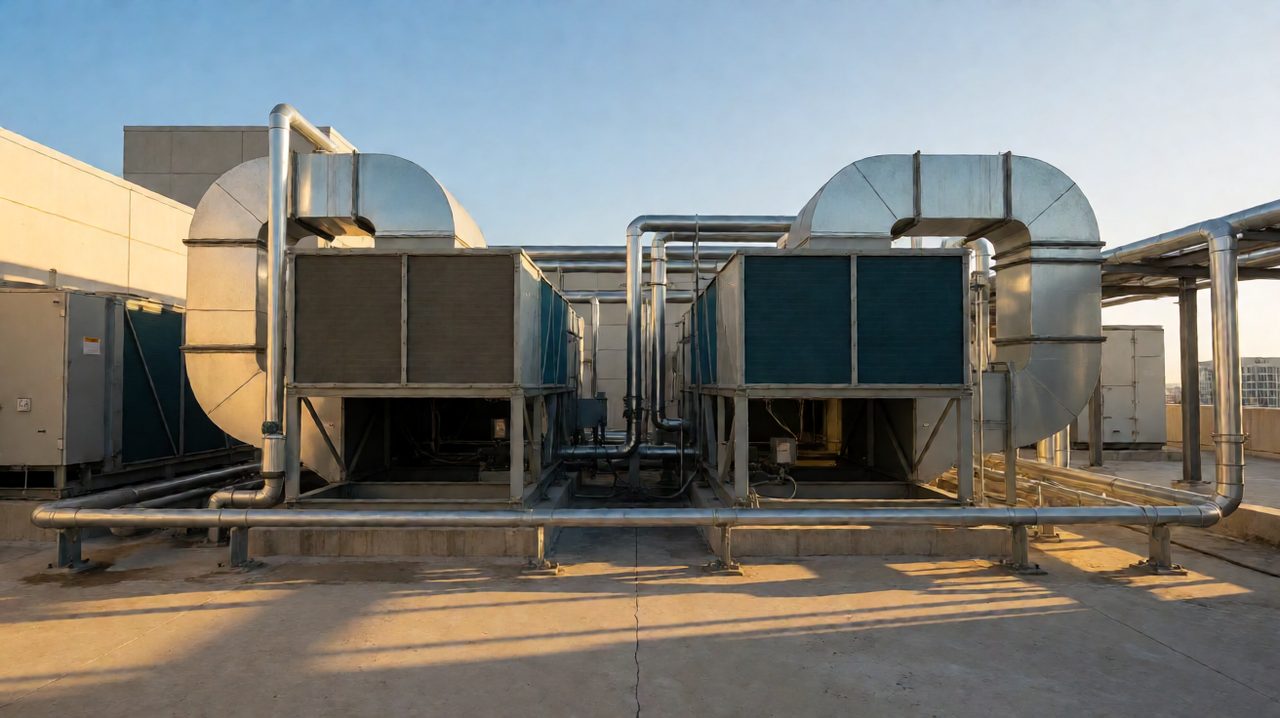
The call comes in the middle of the week. The rooftop air handling unit you specified has a twenty week lead time, the owner wants to value engineer it out, or the mechanical subcontractor is offering an or equal alternate that shaves a month off the schedule. Everyone agrees the swap makes sense. Then the drafting starts, and one model number change turns into three days of redlined sheets.
Equipment substitutions are one of the most common sources of repetitive drafting work in MEP offices. The engineering decision takes an afternoon. Propagating that decision through every affected drawing takes far longer, because a basis of design unit is referenced in more places than most teams realize until they start counting.
One substitution touches every discipline
Start with what actually changes when a piece of mechanical equipment is swapped. The electrical characteristics move, and with them the MCA and MOCP values. The footprint changes, which means the required service clearances change, and the curb or pad size changes with it. Connection locations shift, so duct, piping, and conduit all have to be redrawn to land in the right place. The unit weighs a different amount, which matters to the structural engineer and to anyone sizing the roof curb rails.
That single list of differences ripples across the drawing set in a predictable pattern. The equipment schedule gets new rows for model number, capacity, electrical data, weights, and connection sizes. The floor plan or roof plan gets a new footprint, new clearances, and new duct and pipe routing. The electrical drawings get updated feeder sizes, a new disconnect rating, revised panel schedule entries, and a corrected one line. The controls drawings get a new points list and a revised sequence of operation, because the alternate almost never has identical control options. If the unit sits on the roof, the structural drawings may need the weight change flagged.
The trap is that each of these updates lives on a different sheet, owned by a different drafter, and checked by a different reviewer. The mechanical team updates the schedule but forgets the roof plan clearance. The electrical team updates the panel schedule but misses the one line. The mismatch only surfaces at plan review or, worse, in the field when the curb arrives and the duct connections land six inches from where the unit has its collars.
The real cost is redrafting, not reengineering
Notice what the expensive part of a substitution is not. It is not the engineering judgment. A senior engineer can look at the two cut sheets, confirm the capacities match, and approve the swap in an hour. The expensive part is the mechanical redrafting that follows: opening every sheet that references the old unit, changing text, retagging symbols, moving geometry, updating schedules, and then cross checking all of it against the new cut sheet.
This is exactly the kind of work that does not get better with more experience. A fast drafter still has to open every sheet. A careful drafter still has to verify every tag. The risk of a missed instance does not fall to zero, it just gets buried under the confidence that comes from having done the same update twenty times before. And when a substitution happens during construction administration, the work lands on a team that is already juggling submittals, RFIs, and field questions.
A substitution workflow that survives plan review
The firms that handle equipment swaps cleanly treat them as a coordination exercise, not a redlining exercise. The workflow starts before anyone opens AutoCAD.
- Diff the cut sheets first. Put the old and new submittal data side by side and list every changed value: electrical characteristics, dimensions, connection sizes and locations, weights, control points, and service clearance requirements. This list becomes the checklist for every sheet update, and it is the document the reviewer will ask for first.
- Update the schedule before the plans. The equipment schedule is the single source of truth that the plan reviewer will hold against every other sheet. If the schedule still shows the old model number while the plans show the new one, the comment writes itself. Get the schedule right first, then let it drive the plan updates.
- Walk every discipline sheet, not just yours. Mechanical updates the plans, electrical updates feeders and the panel schedule, controls updates the points list, and someone flags the weight change for structural. Assign the walk explicitly instead of assuming each discipline will notice the swap on its own.
- Retag every instance of the old equipment. Search the drawing set for the old model number, the old tag, and the old electrical values. Tags in details, keynotes, riser diagrams, and enlarged plans are the ones most likely to survive a substitution untouched, and they are the ones a reviewer will catch.
- Coordinate the ripple, not just the equipment. A heavier unit means a structural check. A different MCA means the feeder and disconnect change. Different control options mean the sequence of operation changes. The substitution is only complete when every discipline has confirmed its ripple.
Where teams actually save the hours
None of the steps above are optional, but the hours hide in the execution. The drafter who has to manually retype the schedule, manually retag every symbol, and manually redraw every connection is spending most of their time on work that is deterministic: the values are known, the instances are known, and the edits are the same operation repeated across the set.
Teams cut this down by making the schedule authoritative and driving everything from it. When the equipment data lives in one place and every tag, keynote, and plan reference pulls from that data, a substitution becomes one update instead of forty. The review step shrinks too, because the reviewer can check the schedule once instead of hunting for inconsistencies across sheets.
If substitutions are a regular part of your projects, and in design build and fast track work they are, the drafting workflow deserves the same attention you give the engineering workflow. The firms that standardize how a swap propagates through the set spend their review cycles on design quality instead of on hunting for the one tag that still shows the old model number.
Describe your next equipment change in plain English, model number, new electrical data, new footprint, and watch the repetitive redrafting get handled while your engineers stay focused on the decisions that actually need them. See how AutoMEP handles it.