The Title Block Treadmill: Updating Title Blocks and Revision Tables Across an Entire MEP Sheet Set
AutoMEP Team,
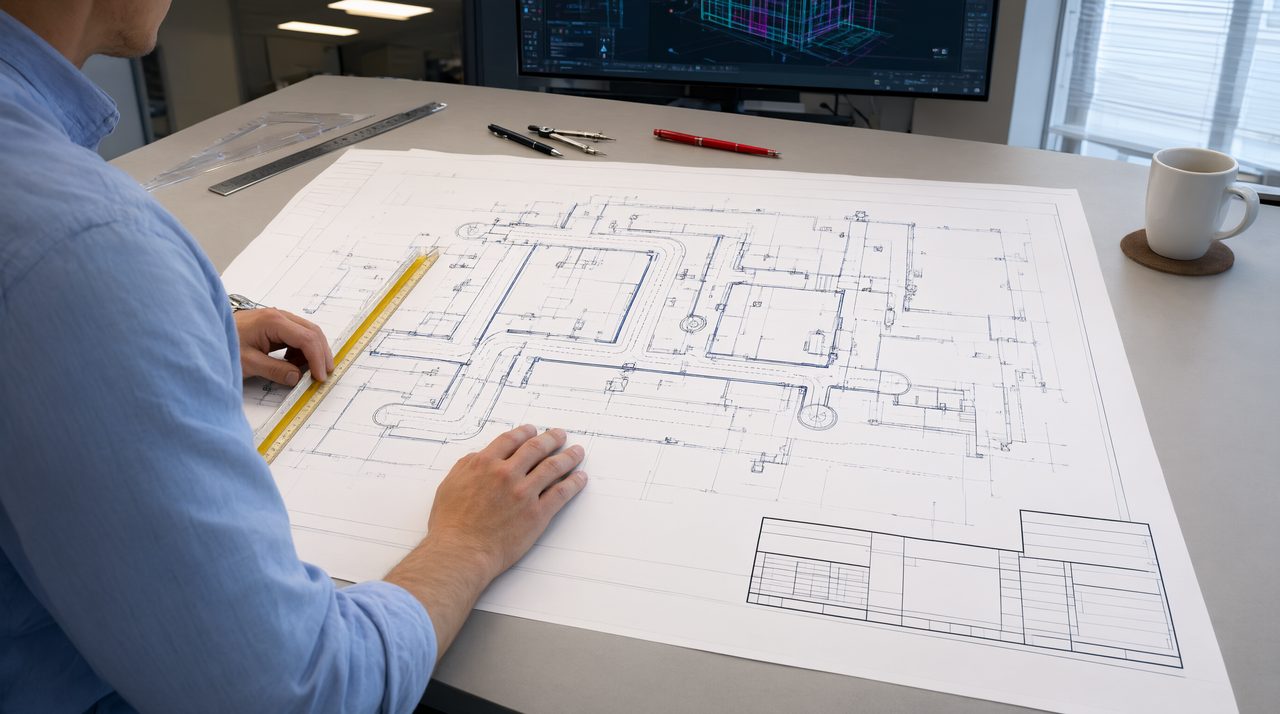
The Invisible Time Sink on Every Project
Every MEP project ends the same way: with a drawing set that needs its title blocks updated before it can go out the door. The project name changed at permitting. The issue date moved. An addendum forced a new revision entry on dozens of sheets. And so your drafters open the sheet set, sheet by sheet, and make the same small edits forty, sixty, or a hundred times over.
Title block updates are the definition of repetitive drafting work. They require judgment only in the rare case, and they eat the exact kind of time your team should be spending on coordination, clash review, and quality control. Yet most firms still treat them as inevitable manual labor, absorbed silently into every schedule.
The real cost is not just hours. Manual title block edits are where drawing sets go quietly stale. A sheet that missed the last revision date. A title block that still carries the pre-bid project name. A consultant stamp that references an outdated issue. These are the small errors that show up in plan review comments, delay permits, and erode client confidence.
Why Title Block Edits Multiply
A title block is not one edit. It is a bundle of project metadata that lives on every sheet in the set:
- Project name, number, and address, which can change between SD, DD, and permit phases
- Issue dates and descriptions for each release: SD, DD, 50% CD, 100% CD, permit, addenda, bulletins
- Revision tables, which grow one row at a time as addenda and RFI responses land
- Firm information, seals, and consultant credits, which shift when teams change
- Drawing numbers and sheet titles, which change when scope is reorganized
On a 60-sheet MEP set, a single metadata change is 60 edits. A project that goes through five addenda, which is a slow month in renovation work, can mean hundreds of individual title block touches. Each one takes seconds to perform and hours to verify.
Verification is the part nobody budgets for. Nobody trusts that all 60 sheets got the new issue date, so somebody, usually the most senior person available, scrolls through the entire set checking title blocks instead of reviewing actual engineering content. Your highest-paid reviewer is doing clerical work.
What Usually Goes Wrong
Manual sheet set updates fail in predictable ways. The pattern repeats across firms of every size:
- Stale sheets survive every release. One or two sheets always miss the update, and they are the ones the reviewer opens first.
- Revision tables drift out of order. A revision added out of sequence, or with a date that does not match the transmittal, creates confusion for contractors and reviewers alike.
- Fields and attributes get out of sync. Sheets where title block data was typed by hand stop matching the sheet set properties, and from that point on the two systems disagree permanently.
- Renamed projects leave ghosts. The old project name survives in xref paths, plot stamps, and PDF filenames long after the title block was fixed, surfacing at the worst possible moment.
None of these are engineering mistakes. They are bookkeeping mistakes, made by capable people doing work that should never have been manual in the first place. That distinction matters, because it tells you the fix is not more training or more checking. The fix is to stop doing the work by hand.
A Better Workflow for Sheet Set Updates
The firms that handle title block updates well follow a disciplined workflow that any CAD manager can implement:
- One source of truth for project metadata. Sheet set properties should carry every piece of data that appears in the title block. If a drafter is typing project data into an attribute, the setup is already broken.
- Fields, not typed text. Title block attributes should read from sheet set fields so that updating the property updates every sheet automatically. Fields are the mechanism that turns sixty edits into one.
- A release checklist that covers metadata. Every drawing release should have an explicit metadata pass: project name, issue date, issue description, revision entries, consultant list. If it is not on the checklist, it will be forgotten.
- A plot and filename convention tied to the set. Plot stamps and output filenames that pull from the same metadata stay correct automatically. Ones maintained by hand become another parallel bookkeeping system.
Even with this discipline in place, legacy projects are the hard part. A set that was started before the template was fixed, or that arrived from a consultant with a different standard, will not respond to field updates until somebody converts it. That conversion work, done carefully across every sheet, is exactly the kind of repetitive task that should not consume a full drafter day.
The Revision Table Problem Deserves Its Own Process
Revision tables deserve special attention because they are both legally meaningful and relentlessly repetitive. Each addendum means a new row on every affected sheet, and every row has to match the transmittal exactly.
A practical approach: maintain a master revision log outside the drawings, one authoritative list of every issue and addendum with its number, date, and description. When a new addendum drops, the log gets one new row, and every sheet's revision table is updated from that log. Drafters who work from memory, or who copy revision text from an email, introduce exactly the inconsistencies the log is designed to prevent.
For MEP sets specifically, be deliberate about which sheets carry which revisions. Mechanical changes from addendum 4 do not belong on plumbing sheets that were untouched, and a revision table that lists unrelated addenda trains reviewers to ignore it. Scope the entries to the sheets they actually affect.
Get the Bookkeeping Off Your Drafters
Title block and revision table maintenance is necessary, unglamorous, and expensive when done by hand. The firms that are serious about drafting productivity treat it as automation work: standardize the template, centralize the metadata, and push repetitive edits to tools instead of people.
If your team is still opening sheets one at a time to fix title blocks, that is exactly the kind of repetitive AutoCAD work AutoMEP was built to handle. Describe the change in plain language, and your drawing set gets updated without the sheet-by-sheet grind. No macros to write, no code to maintain, no plugin rollouts across the office.
Your drafters did not study engineering to edit title blocks. Let the repetitive edits run themselves, and let your team spend their time on the engineering that actually wins projects.