Value Engineering Redraws: Keep MEP Drafting on Schedule
AutoMEP Team,
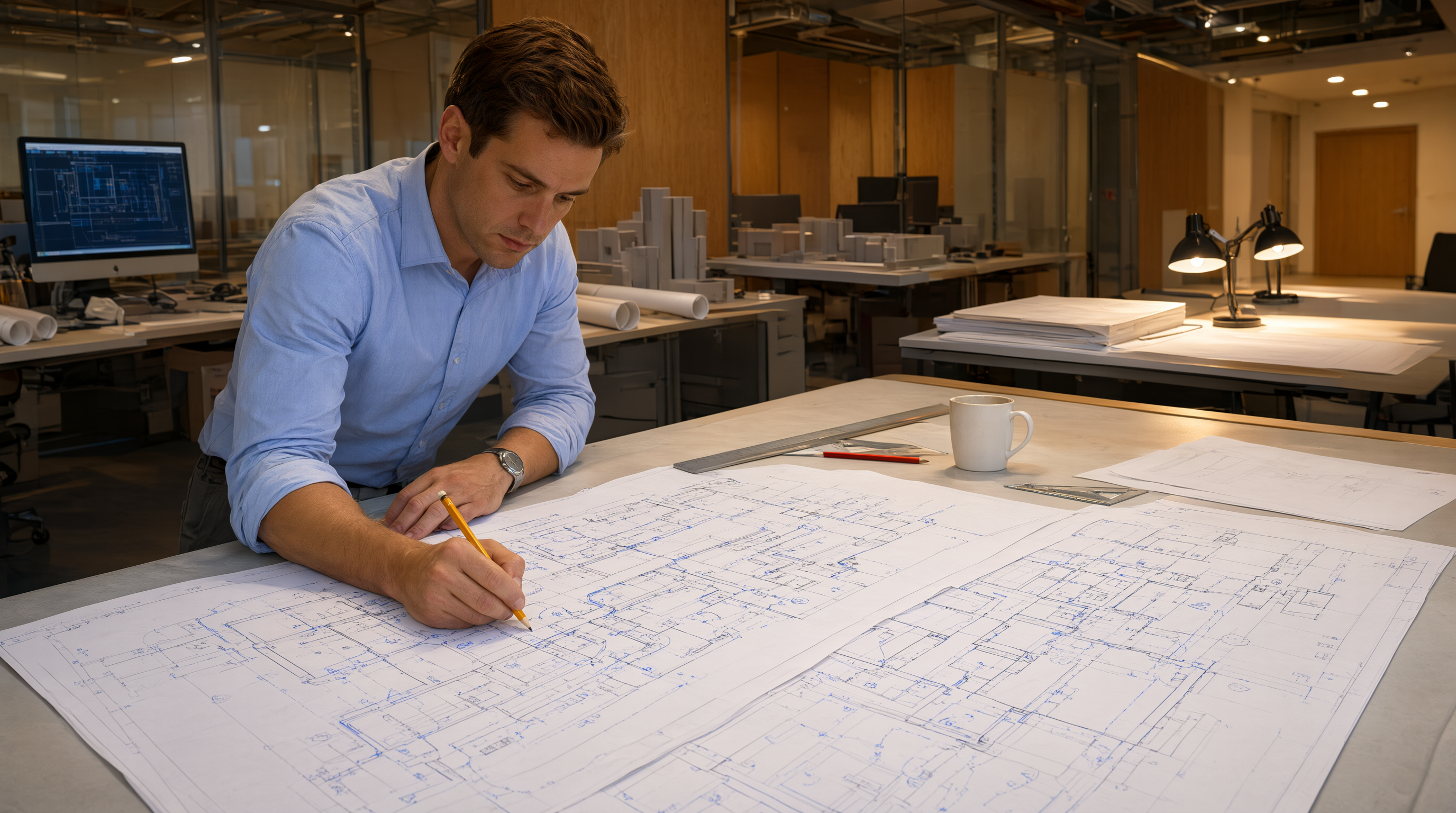
When the Owner Says Value Engineer It
Value engineering rarely arrives politely. It shows up deep into documentation, when the HVAC plans are nearly complete, the riser diagrams are tagged, and the equipment schedules are clean. Then the owner asks to swap the air handlers, downsize the chillers, or convert constant volume to VAV. The design intent stays sound. The drawings do not.
Every firm owner knows this cycle. Value engineering is a legitimate project need, and the savings it produces are usually real. The problem is never the idea. It is the drafting burden that follows: hundreds of small, repetitive edits that have to land correctly across every affected sheet before the next coordination meeting.
Why one VE decision becomes a hundred drawing edits
A single equipment swap is never a single edit. Change a rooftop unit and the duct connections shift. Shift the ducts and the diffusers move. Move the diffusers and the ceiling plan coordination breaks. Resize one main and you are suddenly reworking branches, renumbering tags, updating the mechanical schedule, and revising the riser diagram. What the engineer decides in one meeting becomes a stack of revision work downstream.
This compounding effect is what wrecks drafting budgets. Each change is simple on its own. Together, they form a chain of dependent edits where one missed link becomes a coordination error that surfaces during construction, when fixes cost real money.
The five edits that consume the most drafting hours
Watch enough VE cycles and the same five tasks keep consuming the hours:
- Duct reroutes around swapped equipment. New unit footprints and connection points rarely match the old ones. Every affected run has to be redrawn, reconnected, and re-dimensioned.
- Pipe and duct resizing. Capacity changes ripple through mains and branches. Each resized segment needs new dimensions, and every fitting along the way needs a check.
- Retagging diffusers, grilles, and valves. Tag sequences that were perfectly ordered become a patchwork of revised marks that must be made consistent again.
- Schedule updates. Equipment schedules, diffuser schedules, and plumbing fixture schedules all have to reflect the new selections. One stale row can stall a submittal.
- Riser and one-line diagram revisions. These are the documents reviewers trust most. When they disagree with the plans, approval cycles stretch and questions multiply.
Scope the redraw before you start
The firms that handle VE calmly do one thing first: they scope the blast radius. Before anyone opens a drawing, the project engineer lists every sheet, schedule, and diagram the change touches. That list becomes the checklist that proves the redraw is complete. Skipping this step is how firms discover, long after the fact, that the plumbing riser still shows the old water heater.
A practical scoping pass looks like this:
- Identify the changed equipment and every system connected to it.
- List the affected sheets by number, including details and schedules.
- Flag the diagrams and risers that must stay in agreement with the plans.
- Assign the edits as one package, not as scattered markups.
This takes one focused review, and it prevents the most expensive VE failure: the half-finished redraw that nobody notices until coordination.
What the fastest firms do differently
Firms that absorb VE changes without schedule pain share one habit. They treat the change as a single instruction applied everywhere, instead of a stack of individual edits. When the engineer says swap the rooftop units and resize the affected mains, that description becomes the work order. The drafter who clicks through every duct segment one by one is doing the same job the slow way.
In practice this looks simple. The engineer describes the modification in plain language, the affected elements are identified across the drawing set, the reroutes and resizes are applied, and the tags and schedules are brought back into agreement. The engineer stays focused on design decisions instead of spending that expertise on repetitive geometry edits.
This approach also removes the most dangerous part of VE redraws: the skipped edit. When changes flow from a single description across the affected elements, the riser diagram and the plan cannot disagree, because both were updated from the same instruction.
Protecting coordination quality during a VE cycle
Speed means nothing if the redraw introduces clashes. The discipline that separates clean VE cycles from messy ones is a short verification pass after every change. Confirm duct and pipe clearances against structure, verify tag sequences are consistent, reconcile schedules with the plans, and re-export coordination views before the next meeting. Firms that make this routine turn VE from a recurring crisis into a standard project phase.
The bottom line
Value engineering is not going away. Owners will keep asking for smarter systems at lower cost, and engineers will keep finding legitimate savings. The firms that thrive are the ones that make the drafting follow-through cheap and reliable, so the VE conversation stays about design and cost instead of schedule recovery.
If repetitive HVAC redraws are eating your team's drafting hours, AutoMEP lets your engineers describe drawing modifications in plain English and apply them across AutoCAD and Revit drawings, with no macros, no coding, and no plugin rollouts. Start a free trial and see how your next VE cycle feels when the drafting keeps up.